
A coffee station is one of the few areas in a home that earns attention every single day, yet it is often styled as an afterthought. The right artwork changes that immediately. It gives the station a focal point, softens the practical look of machines and mugs, and helps the setup feel connected to the rest of the room. Whether your coffee corner sits in a bright kitchen, beside a home bar, or in a relaxed caves man nook, thoughtful art placement can make the space feel finished, personal, and genuinely enjoyable to use.
Read the Room Before You Hang Anything
The best art arrangement starts with the room itself, not with the frame you happen to love. A coffee station lives in a working area, so placement should respect movement, moisture, and sightlines. Before choosing a layout, stand where you actually use the station. Notice what is visible first thing in the morning, where upper cabinets end, where shelves begin, and how far the wall sits from the machine, grinder, or mug rack. Art should support the rhythm of the space rather than compete with it.
It also helps to think about atmosphere. A sleek kitchen coffee station usually benefits from cleaner spacing and fewer pieces. A station near a bar can take on a moodier, more layered look. In a cozy lounge, basement, or man cave setting, art can be richer in tone and more expressive. Whatever the style, the goal is consistency. If the coffee station looks rustic but the artwork feels formal and detached, the arrangement will never feel fully resolved.
Practical details matter just as much as aesthetics. Avoid placing valuable or delicate work directly above a steam source if the machine vents heavily upward. Keep frames away from frequent splashes. If the wall gets strong sunlight, choose finishes and glazing that reduce fading and glare. These small decisions protect the art and help it look better over time.
Choose Art With the Right Subject, Scale, and Tone
Art near a coffee station does not need to be literal, but it should feel compatible with the setting. Food-and-drink photography, architectural images, travel scenes, vintage-inspired prints, and understated abstract work all tend to perform well because they add mood without overwhelming the area. If the station is small, one strong piece often works better than a busy cluster. If the wall is broader, a pair or a modest gallery arrangement can create presence without crowding shelves, canisters, and appliances.
Scale is where many arrangements go wrong. Art that is too small looks incidental, while art that is too large can overpower the function of the station. As a general rule, the artwork or grouping should feel visually tied to the width of the furniture, cabinet run, or shelf line beneath it. You want the eye to read the coffee station and the art as one composition.
- For compact stations: choose one medium piece or two smaller works with matching frames.
- For open wall space: use a pair, triptych, or tight grid that adds structure.
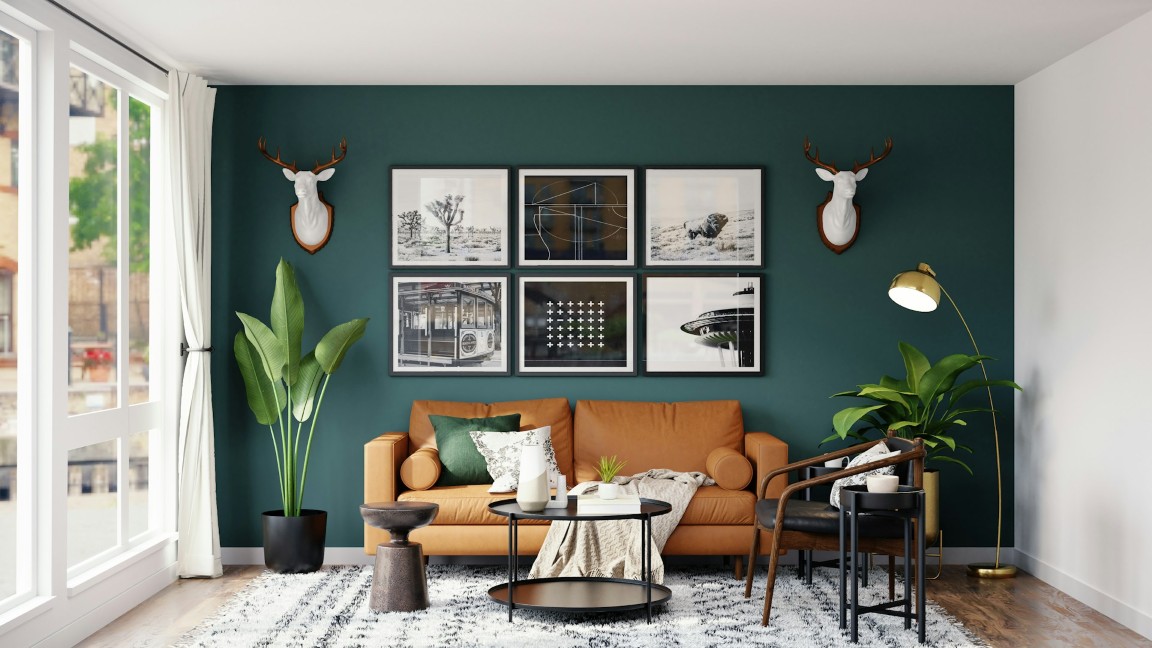
- For warm, inviting rooms: lean into earthy tones, black-and-white photography, or vintage references.
- For contemporary kitchens: choose cleaner compositions with restrained color palettes.
When you want photography that bridges bar decor, kitchen decor, and a more relaxed caves man sensibility, Quique Photography is worth considering for pieces that feel curated rather than generic.
Build a Layout That Feels Intentional, Not Crowded
Once you have the art, the next step is arrangement. Good placement feels calm and inevitable, as though the pieces always belonged there. Start by defining a center point. In most coffee stations, that center is either the midpoint of the wall section or the visual middle of the furniture and shelving below. From there, build outward with even spacing and a clear sense of alignment.
If you are creating a grouping, keep the spacing consistent. Uneven gaps make a display look accidental. It is also wise to preserve breathing room around nearby shelves, sconces, and cabinets. Art should not feel trapped between functional elements. The strongest coffee station arrangements have enough structure to read clearly at a glance.
- Measure the usable wall area. Do not include the space that is visually blocked by cabinets, open shelving, or hardware.
- Mock up the arrangement first. Lay frames on the floor or tape paper templates to the wall before making holes.
- Anchor the composition to the station. Center it over the cabinet, shelf, or countertop run rather than the entire room.
- Keep margins consistent. Similar spacing between frames makes even eclectic art feel polished.
| Arrangement style | Best for | Key rule |
|---|---|---|
| Single statement piece | Small coffee stations or minimalist kitchens | Choose a piece large enough to hold the wall on its own |
| Paired artwork | Balanced, symmetrical setups near cabinets or shelves | Match heights and keep the gap narrow |
| Tight gallery cluster | Layered bar areas or collected, lived-in rooms | Treat the whole grouping as one shape |
| Linear row | Long counters, floating shelves, or modern spaces | Align bottoms or centers for a clean visual line |
Use Frames, Materials, and Lighting to Support the Art
Frames do more than finish a piece. They determine how the art speaks to the room. Wood tones bring warmth and work especially well in kitchens with natural finishes, open shelving, or woven textures. Black frames add structure and are a strong choice for photography, bar decor, and transitional interiors. Metal or very thin frames suit cleaner, more architectural spaces. Whatever you choose, keep the finish story controlled. Too many unrelated frame styles can make a small coffee station feel visually noisy.
Material choice matters in hardworking spaces. Glass or acrylic glazing helps protect art from splashes and airborne residue. Mats can elevate smaller pieces and give them enough presence to stand near appliances. If you are hanging work near heat, steam, or sun, preservation-minded framing is worth the effort. This is especially true for paper-based pieces or limited prints.
Lighting is the final layer. If the coffee station is tucked into a shadowy corner, artwork can disappear no matter how well it is arranged. Under-cabinet lighting, a nearby sconce, or warm ambient light can bring out texture and make the wall feel integrated with the countertop styling below. Avoid harsh bulbs that create glare across glass.
Bring It Together in Kitchen, Bar, and Caves Man Spaces
The most successful coffee station art feels tailored to the way the room is used. In a kitchen, that usually means restraint: a few well-chosen pieces, clean framing, and enough negative space to let functional objects breathe. Near a bar, you can often go deeper in mood with richer tones, contrast, and a more layered arrangement that ties the coffee area to evening entertaining as well as morning routine.
In a man cave or caves man setting, the art can carry more personality. Black-and-white photography, travel imagery, moody landscapes, music references, or vintage bar-inspired pieces often work beautifully because they give the station identity without making it feel themed. The key is still balance. Even a more masculine or lounge-like space benefits from disciplined spacing, cohesive frames, and a clear focal point.
Above all, remember that good arrangement is less about filling an empty wall and more about shaping an experience. The best coffee station art adds character, supports the room, and makes ordinary rituals feel considered. If you approach the wall with the same care you give the cups, shelves, and machine, the result will feel complete. That is true in a polished kitchen, a stylish bar corner, or a well-designed caves man retreat.
——————-
Discover more on caves man contact us anytime:
Bar Decor | Quique Photography
https://www.quiquephotography.com/
Quique Photography shows a very contemporary art for your Home Decor and is organized by room, making easier your design. It is mostly printed in metal, and represent an action or moving between pictures. Photos include bar decor, kitchen decor, man cave photography, etc
