
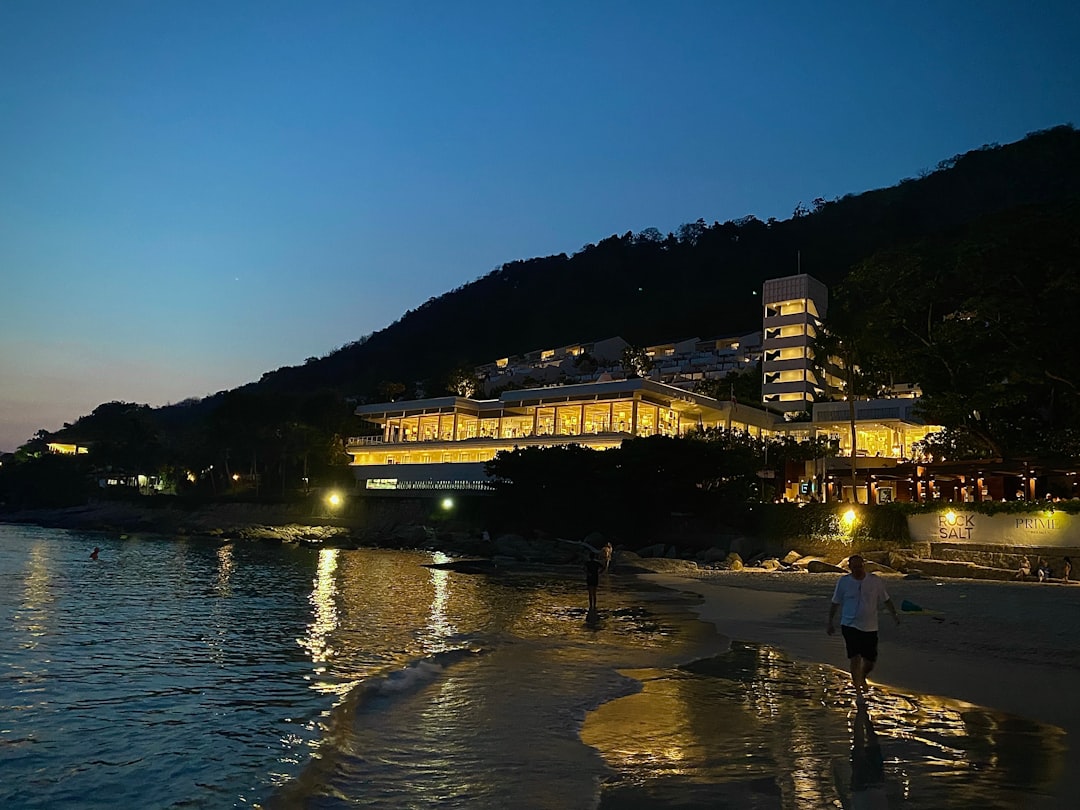
Choosing a destination wedding package is not just about finding a beautiful venue in a dream location. It is about selecting an experience that supports your budget, reflects your style, protects your time, and makes travel easier for everyone involved. For couples balancing ceremony details with travel logistics, especially when Japan vacation planning is part of the bigger picture, the right package should feel practical as well as romantic.
Start with the wedding you actually want
Before comparing packages, define the shape of the wedding itself. Many couples begin by looking at photos and prices, only to realize later that the package does not suit their guest count, preferred level of privacy, or desired atmosphere. A beachfront elopement package, for example, is very different from a package built for a multi-day celebration with family and friends.
Start by clarifying the essentials:
- Guest count: Are you planning an intimate ceremony, a mid-sized gathering, or a larger event?
- Setting: Do you want a resort, historic property, city venue, mountain backdrop, or coastal location?
- Level of formality: Casual, elegant, traditional, or modern?
- Travel style: Are you combining the wedding with a honeymoon, family trip, or extended stay?
- Non-negotiables: Photography, floral design, private dining, legal ceremony support, or cultural touches.
This first step matters because it prevents you from paying for features you do not need or compromising on the details that shape the day. The strongest packages are not always the biggest or most luxurious. They are the ones that align closely with your priorities.
Look beyond the headline price
A destination wedding package can appear excellent value at first glance, but the real test is what is included and what will cost extra. Some packages cover only the ceremony basics, while others include planning support, décor, vendor coordination, accommodations, transfers, and dining events. The difference between those two types can significantly affect your final budget and stress level.
When reviewing options, ask for a clear breakdown of inclusions and exclusions. Pay attention to details such as service fees, local taxes, overtime charges, weather backup plans, guest seating minimums, and vendor restrictions. A package that seems more expensive initially may prove better value if it includes planning assistance and fewer add-on costs.
| Package Element | Worth Checking | Why It Matters |
|---|---|---|
| Ceremony setup | Arch, chairs, sound, floral styling | Basic packages may include only minimal décor |
| Planning support | On-site coordinator or full planning service | Reduces logistical pressure before and during the event |
| Photography | Hours covered, editing, delivery timeline | Short coverage may miss key moments |
| Accommodation | Room nights, upgrades, guest rates | Important if the wedding is tied to a larger trip |
| Food and drink | Reception meal, cake, welcome events | These costs can rise quickly outside the package |
| Legal assistance | Document support and ceremony type | Essential for international weddings |
Ask suppliers for transparency in writing. If something is described vaguely, request a clearer scope before committing.
Match the package to the destination, not just the photos
Every destination comes with its own rhythm, legal requirements, seasonal patterns, and guest travel considerations. A strong destination wedding package should reflect those realities rather than treating every location the same way. This becomes especially important for couples who want the celebration to blend naturally with a wider travel itinerary.
If your plans include an extended stay, family sightseeing, or a honeymoon immediately after the ceremony, think carefully about how the package supports the broader trip. Couples exploring Japan vacation planning often benefit from packages that leave room for flexible travel days, local cultural experiences, and easy access to transport rather than overscheduling every moment around the wedding itself.
When assessing destination fit, consider:
- Season and weather: Peak heat, rainy periods, typhoon season, or winter conditions can affect comfort and photography.
- Travel access: How easy is it for guests to reach the venue from the airport or train station?
- Legal versus symbolic ceremony: Some destinations make legal marriage paperwork more complex than others.
- Local language and coordination: Clear communication becomes more important when vendors, venues, and guests are traveling from different places.
- Guest experience: Are there nearby dining, sightseeing, and accommodation options for different budgets?
A destination should feel exciting, but it also needs to work smoothly. The most memorable celebrations usually come from that balance.
Evaluate service quality, flexibility, and contract terms
Even the most attractive package can disappoint if support is inconsistent or the contract is restrictive. Service quality is often what separates a polished destination wedding from a stressful one. Look for planners or venue teams who communicate clearly, answer practical questions directly, and show an understanding of travel-related complexity.
Rather than relying on promotional language, review the package with a critical eye. Ask how changes are handled, what happens in poor weather, whether outside vendors are allowed, and what deadlines apply for final numbers and selections. If you are planning from abroad, response time and clarity matter even more.
Key contract points to review include:
- Cancellation and postponement terms
- Payment schedule and deposit rules
- Substitution policies for venues or vendors
- Minimum guest or room-night requirements
- Backup locations for weather disruption
- Refund rules for unused services
Flexibility has real value. A slightly simpler package with better communication and fairer terms is often a wiser choice than a more elaborate package that leaves too much uncertainty.
Choose a package that supports both budget and guest experience
Your wedding may be centered on the two of you, but destination events always involve a wider travel experience. The best package should make the celebration feel welcoming and manageable for guests without losing your personal priorities. That does not mean paying for everything; it means choosing a package structure that makes attendance simpler and the event flow smoother.
Consider building your decision around three budget layers:
- Core wedding costs: ceremony, venue, dining, photography, planning support
- Travel-linked costs: accommodation, transfers, welcome events, extended stay
- Contingency costs: weather changes, guest count shifts, upgrades, legal paperwork
If guests are traveling a long distance, practical touches matter. Clear room options, reliable transport guidance, a realistic event timeline, and a manageable schedule can improve the entire celebration. A rushed agenda often leaves everyone tired, while a package with breathing room allows people to enjoy the place as well as the wedding.
For couples comparing destinations and travel styles, My Site 7 | Unforgettable Travel Experiences Online can be a helpful starting point for shaping a wedding trip that feels cohesive rather than pieced together from separate bookings.
In the end, the best destination wedding package is the one that fits your real priorities, not just your inspiration board. It should be transparent, thoughtfully structured, and suited to the destination itself. When you approach the decision with clear expectations, careful budgeting, and a strong understanding of travel logistics, your celebration becomes easier to plan and more meaningful to experience. That is especially true when Japan vacation planning is part of the journey, because the right package should support not only a beautiful wedding day, but an unforgettable trip around it.
